~9 months
Average time to reach diagnosis
From play to insight, we helps you support your child’s growth anywhere, anytime.
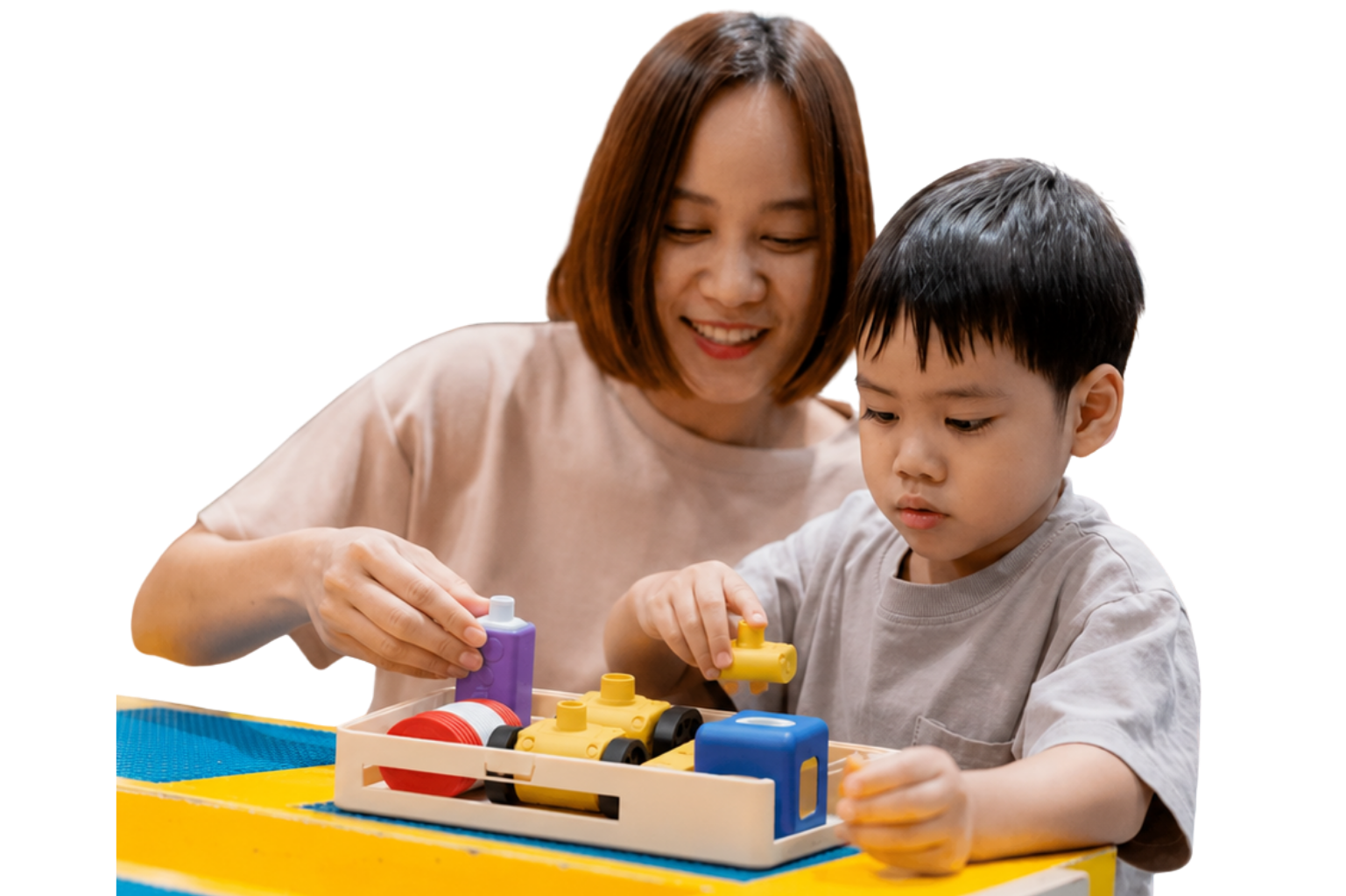



Most families notice something different about their child long before anyone else does. But the system wasn’t built to catch it early. In Singapore, the journey from first concern to formal diagnosis takes close to a year. By then, the most critical window for early intervention has already begun to close.
Average time to reach diagnosis
Estimated total assessment cost per child
Cumulative human time spent per child across the diagnostic process
From polyclinic referral to formal diagnosis at a public hospital, families wait an average of 9 to 12 months across pre-assessment, referral, and post-assessment stages.
Parents watch their child every day but have no way to capture what they see. Therapists see the child for one hour a week. The rest of the picture is missing.
Current clinical reports are written manually based on a single observed session. A child who is tired, anxious, or uncooperative that day produces an inaccurate baseline.
Three components work together autonomously
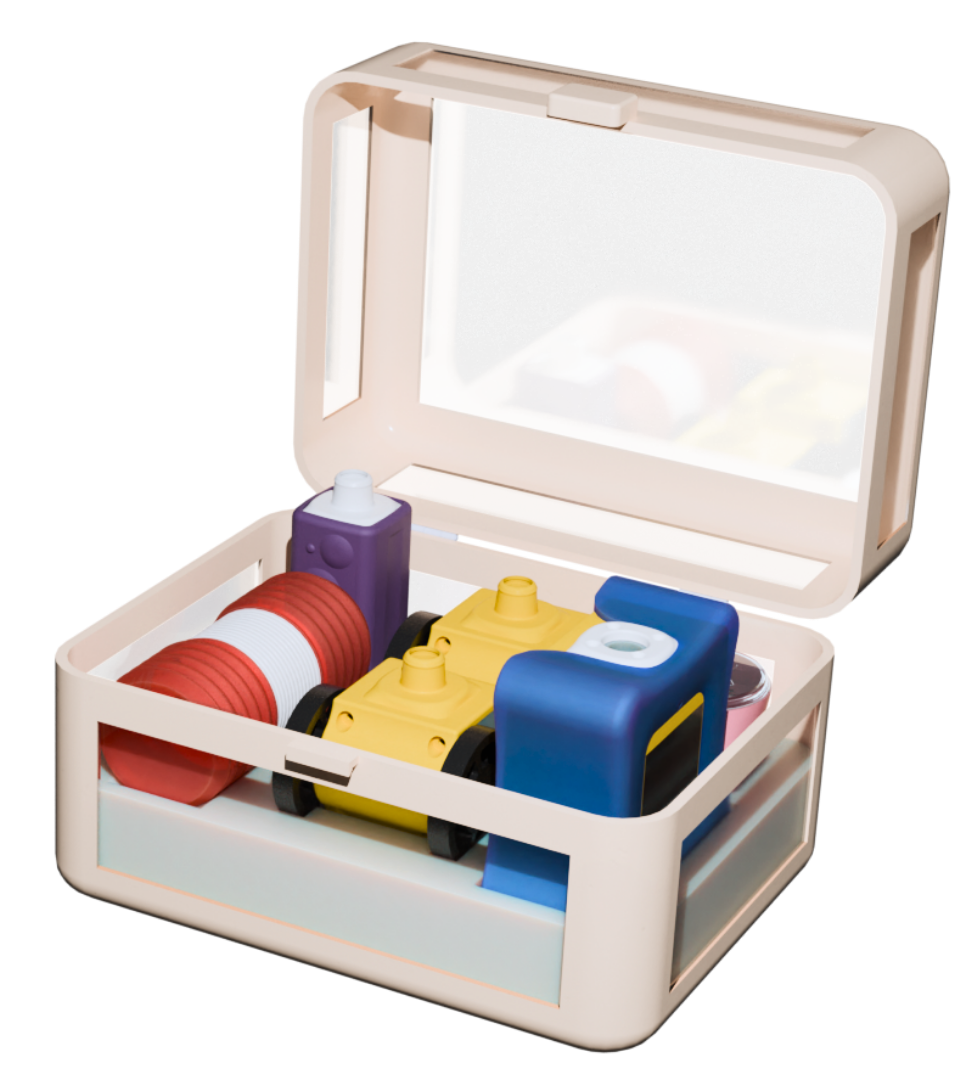
Five sensor-enabled toy modules capture grip force, movement speed, reaction time, and shaking patterns. The child plays. The blocks capture everything without interruption.
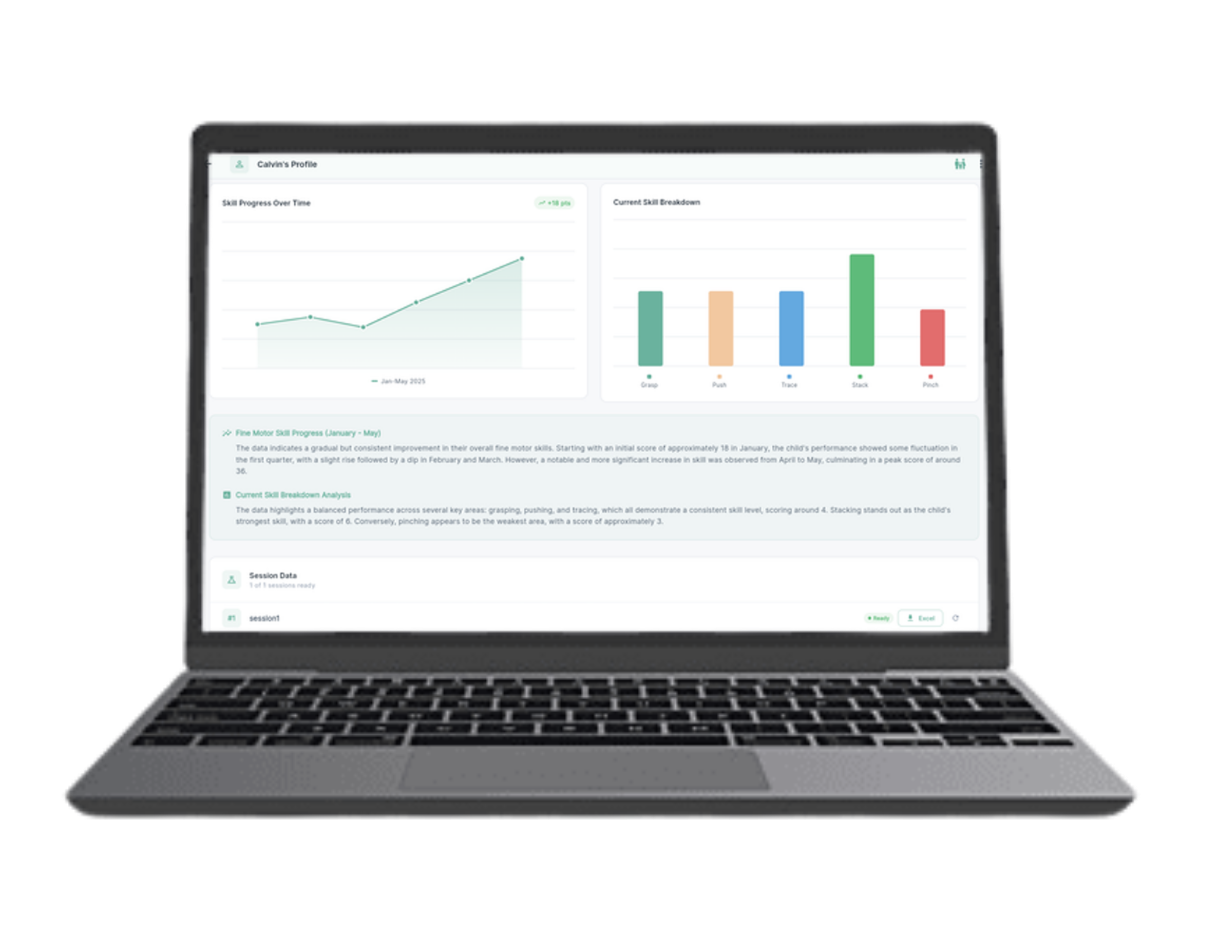
Our analytics platform N3XUS analyses behaviour over time, detects patterns, and maps development continuously — providing therapists and parents an ongoing profile rather than a snapshot from a single clinic visit.
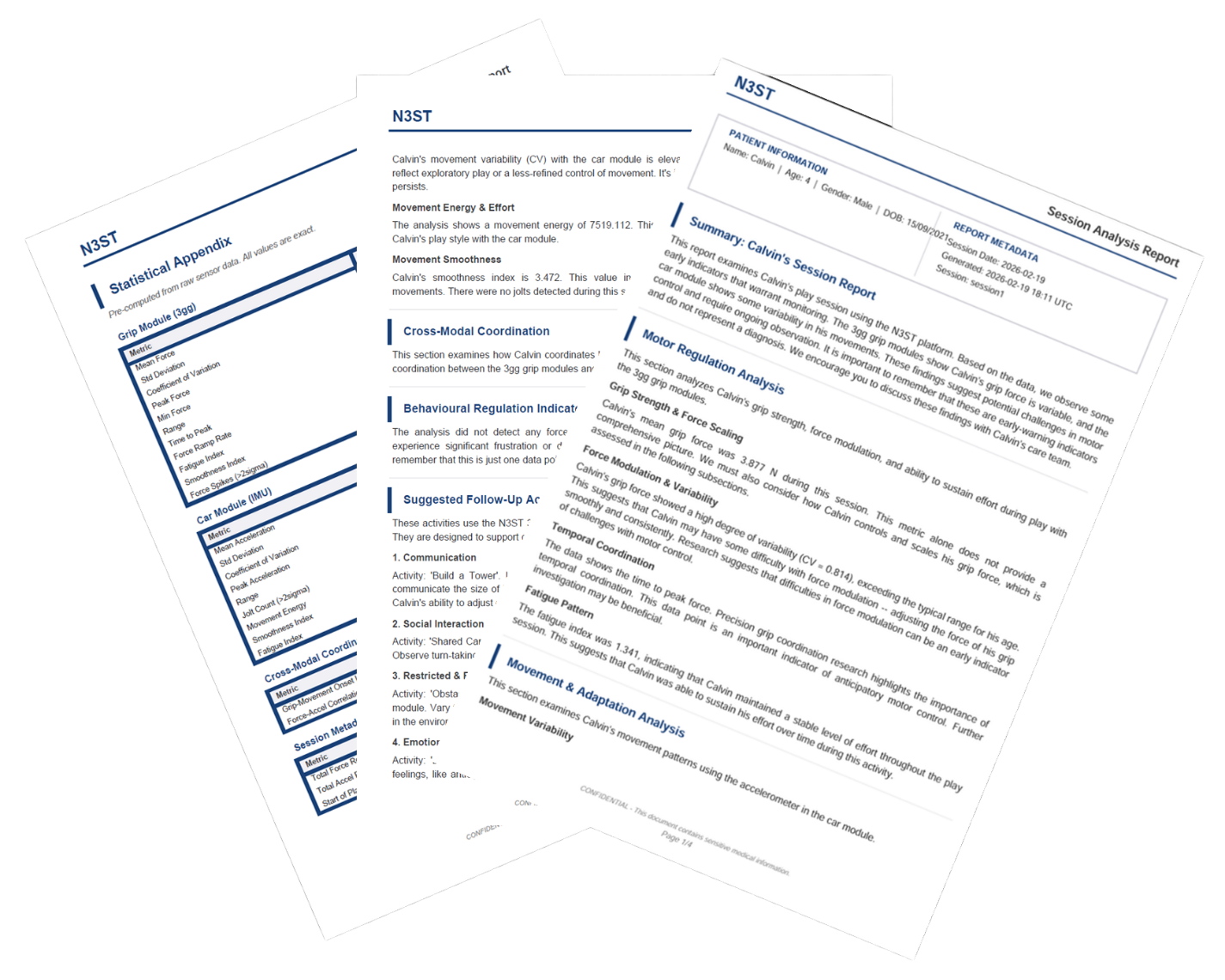
N3XUS generates a longitudinal developmental report together with a tailored Play Guide for families. Reports summarise observed motor patterns, interaction sequences, and response timing; the Play Guide provides simple activities and follow-up suggestions reviewed by a therapist.
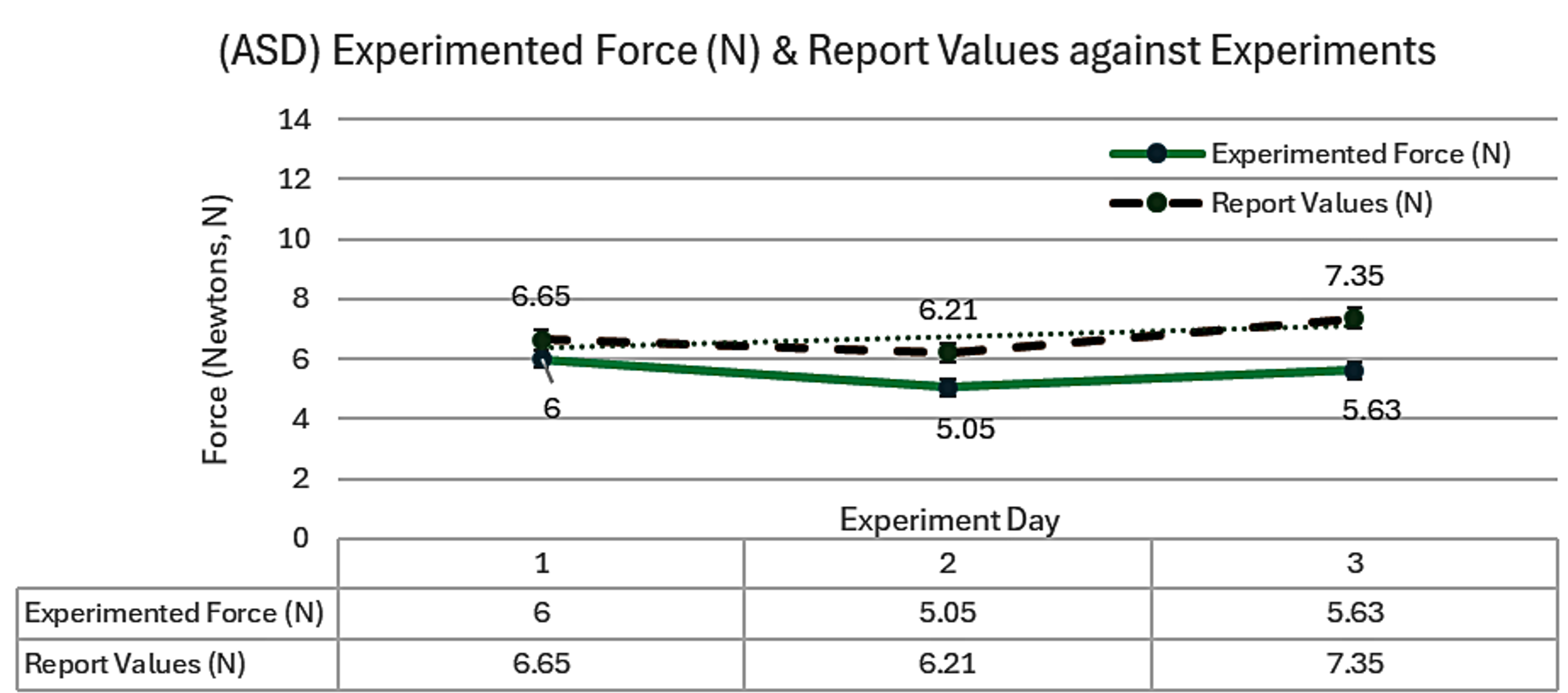
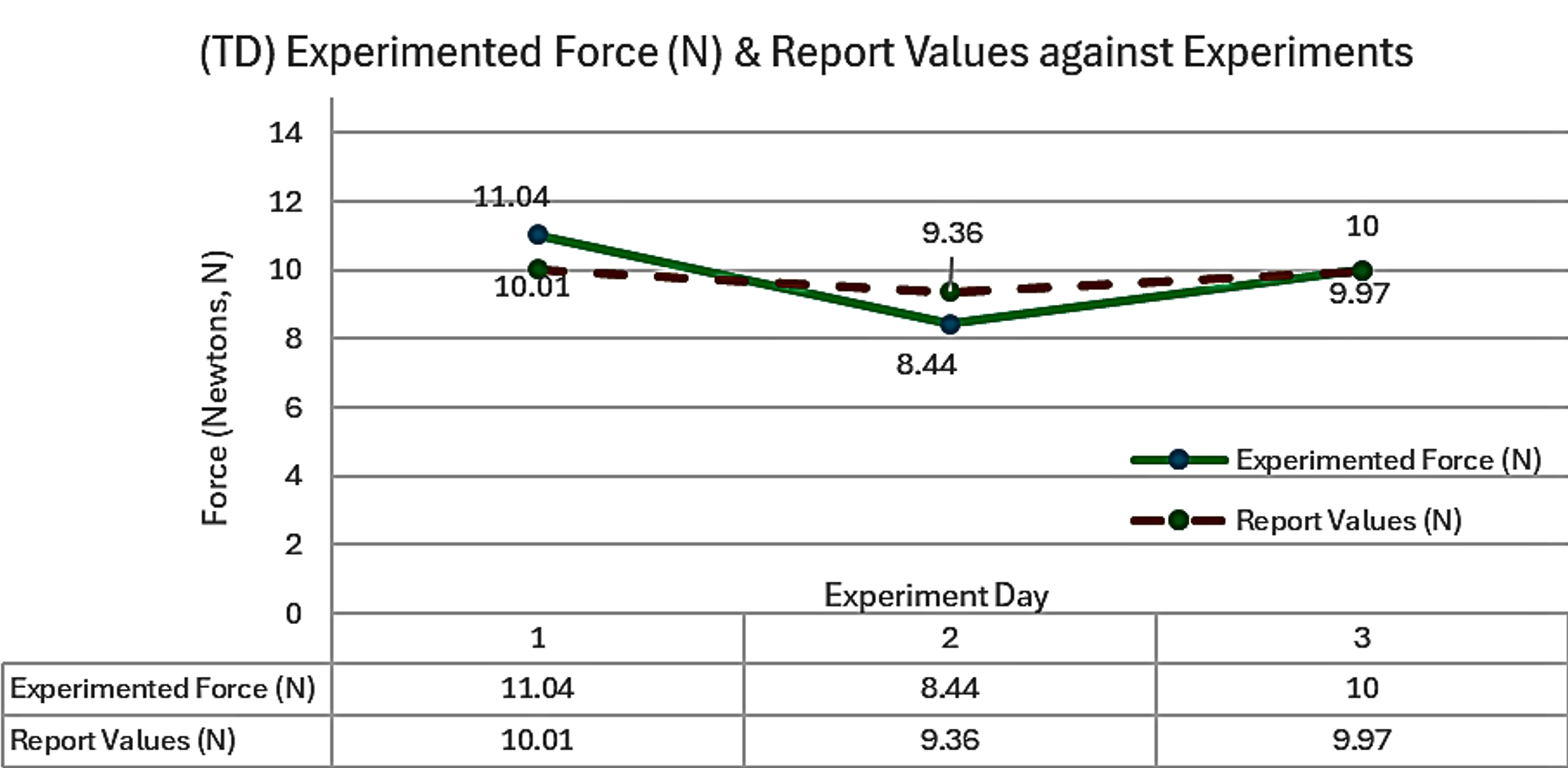
N3ST has been through iterative testing with children undergoing assessment and early intervention support at Olive Tree Development Centre. Sessions were conducted with qualified therapists who reviewed platform output alongside their own clinical observations. The sensor data and generated reports were assessed for accuracy and clinical relevance.
Sessions conducted at Olive Tree Development Centre, Singapore.
Have a question not answered here? Contact us at n3st.general@gmail.com
The 3GG blocks are designed for children aged 2 to 6. The modules are sized and weighted for small hands and have been tested with children in this age range during our Olive Tree clinical pilot.
The blocks can be used during independent play at home. However, reports generated by N3XUS are designed to be reviewed with a therapist or paediatrician. N3ST is a monitoring tool, not a self-diagnosis system.
All session data is encrypted in transit and at rest. We do not sell personal information. Clinic and parent data are stored separately with role-based access controls.
The blocks connect via Bluetooth to a paired device. Session data uploads to the N3XUS platform at the end of each session, or in real time if connected.
No. N3ST is a developmental monitoring platform. Reports highlight patterns and flag indicators for follow-up. All clinical decisions remain with the child’s therapist or paediatrician.
N3ST is currently in a clinical pilot phase with Olive Tree Therapy Centre. Fill in the early access form and we will contact you with availability in your area.