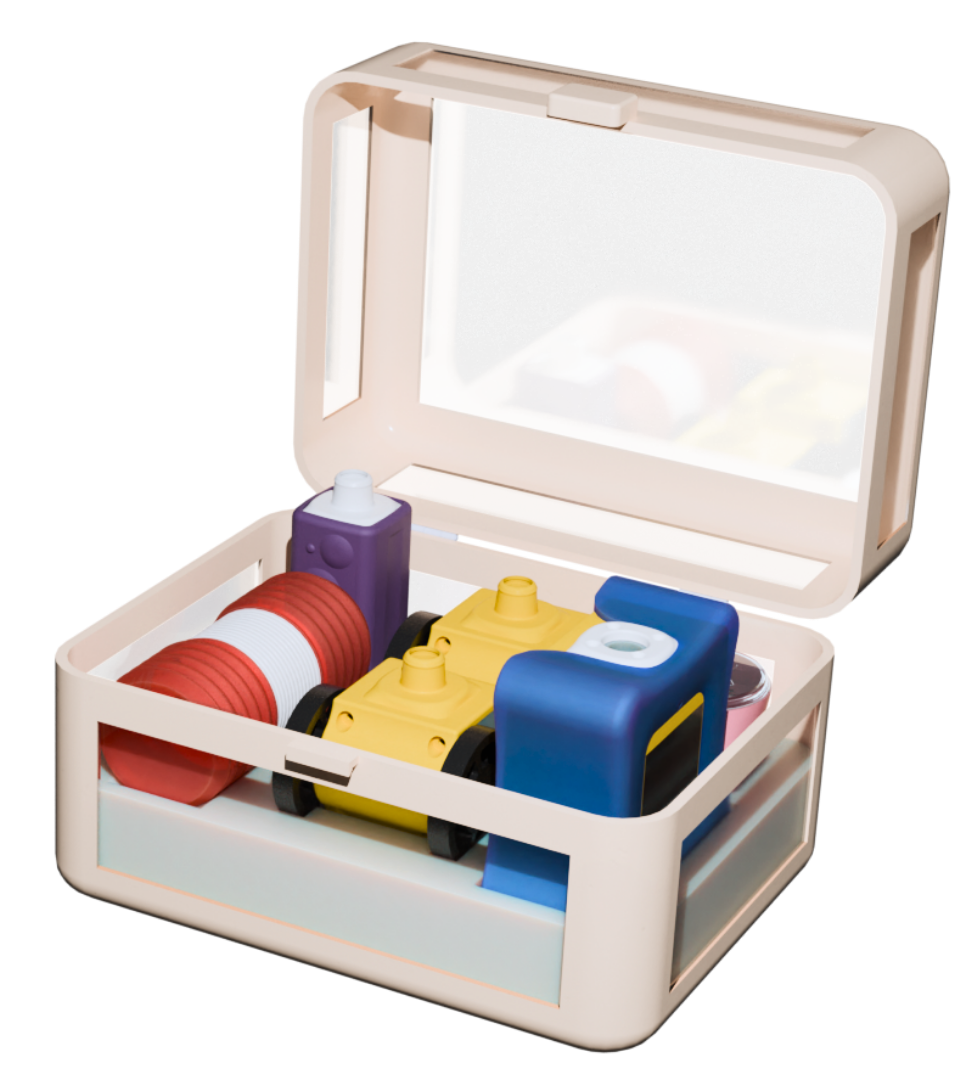
N3ST is a play-based monitoring platform built by engineers, occupational therapists, and child development researchers. The 3GG modules translate proven developmental constructs — precision grip, motor coordination, reaction timing, and play engagement — into objective signals that therapists and parents can review session over session.
The 3GG Module
Click a module to see what it measures.
Each 3GG block targets a distinct developmental construct. Tap any module in the case to highlight it and read the science behind it.
Designed with Evidence-Based Principles
Every module in 3GG is grounded in published developmental research. Here is how the science maps to the hardware your child plays with.
Parents & Therapists
Contingent feedback and structured play improve self-regulation
Reward and feedback loops embedded in play sessions strengthen behavioral regulation. The Light module’s grip-to-brightness loop is one such contingent-feedback channel built directly into the hardware.
N3ST clinical design principles, 2026
Kids · Car module
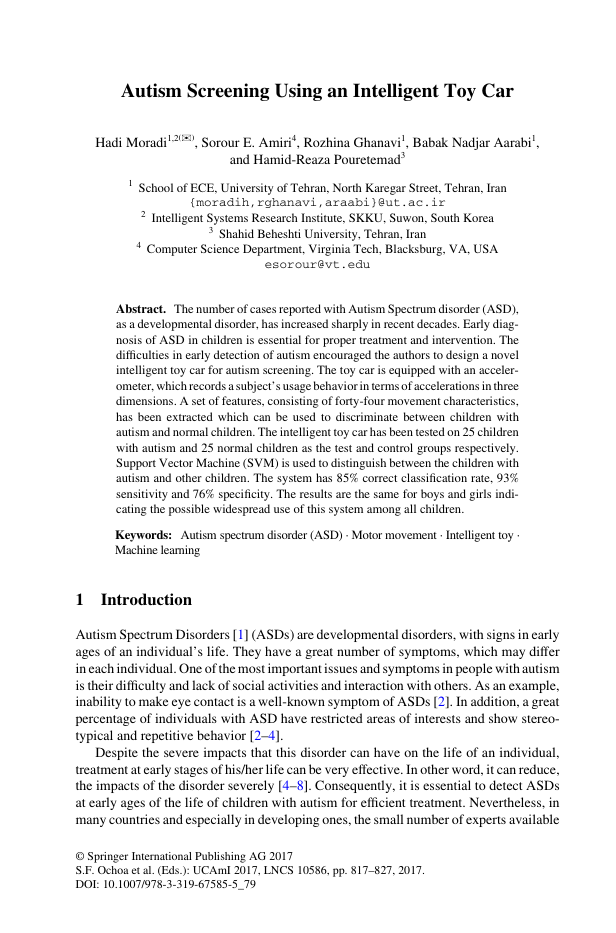
Toy-based motion tracking is effective for early developmental screening
Instrumented toy vehicles can capture goal-directed play patterns sensitive to autism spectrum and developmental coordination signals in young children — the foundation behind the Car modules.
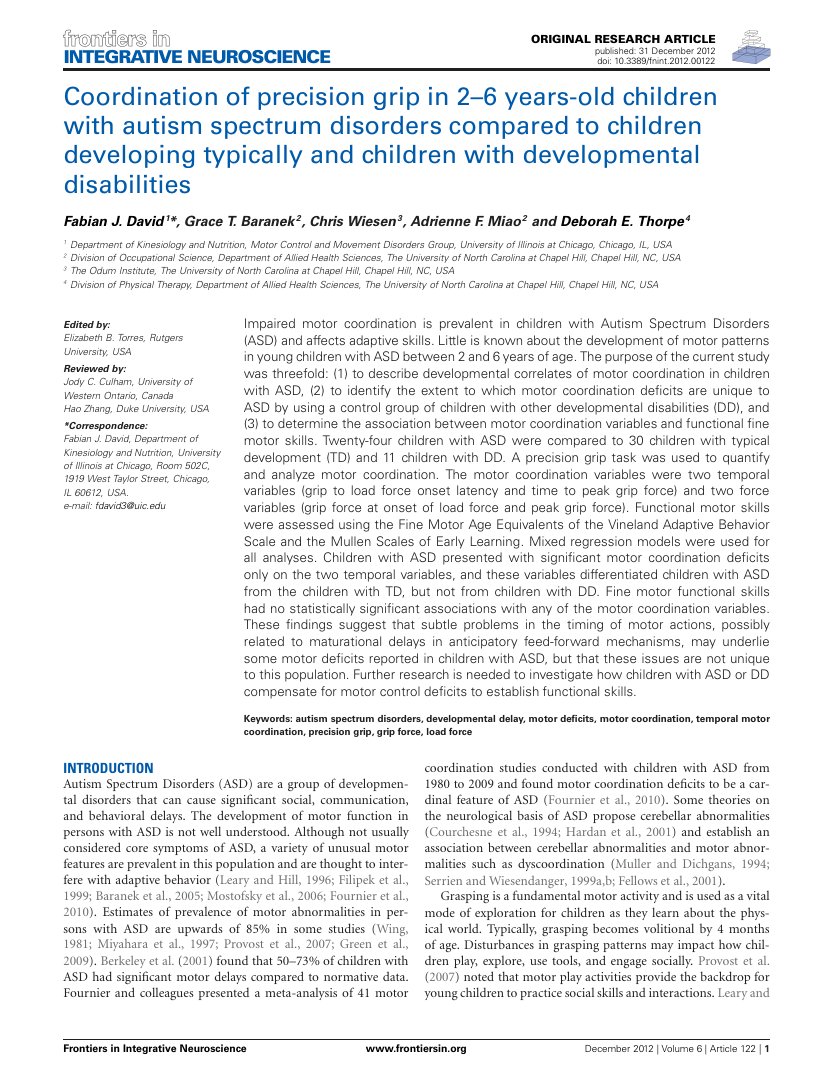
Precision grip in 2–6 years is a clinically valid developmental signal
Precision grip force and modulation follow a measurable maturation curve from ages 2 to 6. Grip variability across trials — what the Hammer, Sensory Grip, and Light modules all capture — is a clinically sensitive index of motor regulation.
Instrumented vehicle-style toys can capture early developmental signals in young children. This paper informs the design of the 3GG Car and Wheel modules — how the rotary and IMU sensors translate play motion into objective indicators of motor coordination.
Maps the developmental maturation of precision grip control between ages 2 and 6 — the exact age band N3ST targets. This paper underpins the Sensory Grip, Hammer, and Light modules, all of which rely on pressure-film signals interpreted against age-appropriate baselines.
N3ST observational pilot, methodology and preliminary findings
The internal write-up of the Olive Tree pilot: methodology, study population, instrumentation, and preliminary signals across the 3GG modules. Released when the study window closes.
Working paper, 2026, 24 pages
Coming soon
Join us to better support the next generation of children.
Get notified when new publications are released, and hear about open collaboration slots.